
Pressure washers are widely used cleaning tools designed to remove dirt, grime, and buildup from a variety of surfaces using a high-pressure water stream. They are commonly used in both residential and commercial environments to clean outdoor areas, vehicles, equipment, and other durable surfaces. By combining water pressure with optional cleaning solutions, these machines help improve efficiency and reduce the time required for routine and heavy-duty cleaning tasks. With multiple types and configurations available, they can be matched to different levels of cleaning demand, from light maintenance to more intensive industrial applications.
Basic Cleaning Equipment
Understand the Purpose of Cleaning Equipment
Pressure washers use a motor-driven pump to pressurize water and release it through a specialized nozzle. Pressure washers create a concentrated stream designed to lift and remove debris, stains, and buildup more efficiently than standard washing methods. These systems are used in exterior maintenance, vehicle cleaning, and equipment washing across a variety of environments. Their efficiency makes them a practical solution for both routine cleaning and more demanding surface preparation tasks.
Explain Cleaning System Components
Most cleaning systems include a motor or engine, a water pump, a high-pressure hose, and a trigger gun with interchangeable nozzles. The motor powers the pump, which increases water pressure before it travels through the hose and out of the nozzle. Different nozzle types adjust spray patterns and intensity to match the cleaning task. Additional attachments such as foam applicators and surface cleaners help expand versatility and improve cleaning coverage.
Compare Cleaning System Types
Pressure washers are generally available in electric and gas-powered models. Electric units are commonly used for lighter cleaning tasks and environments where quieter operation is preferred. Gas-powered units are typically selected for more demanding cleaning jobs that require higher output and greater mobility. Both types are used across residential, commercial, and industrial settings depending on performance requirements.
Describe Cleaning Equipment Operation
The working process begins when water enters the system and is pressurized by the pump. Pressure washers then force water through a small nozzle opening, creating a concentrated stream capable of removing surface buildup. Users can adjust pressure levels and spray patterns using different nozzles to suit specific cleaning tasks. This flexibility allows the equipment to handle a wide range of cleaning conditions effectively.
List Cleaning System Applications
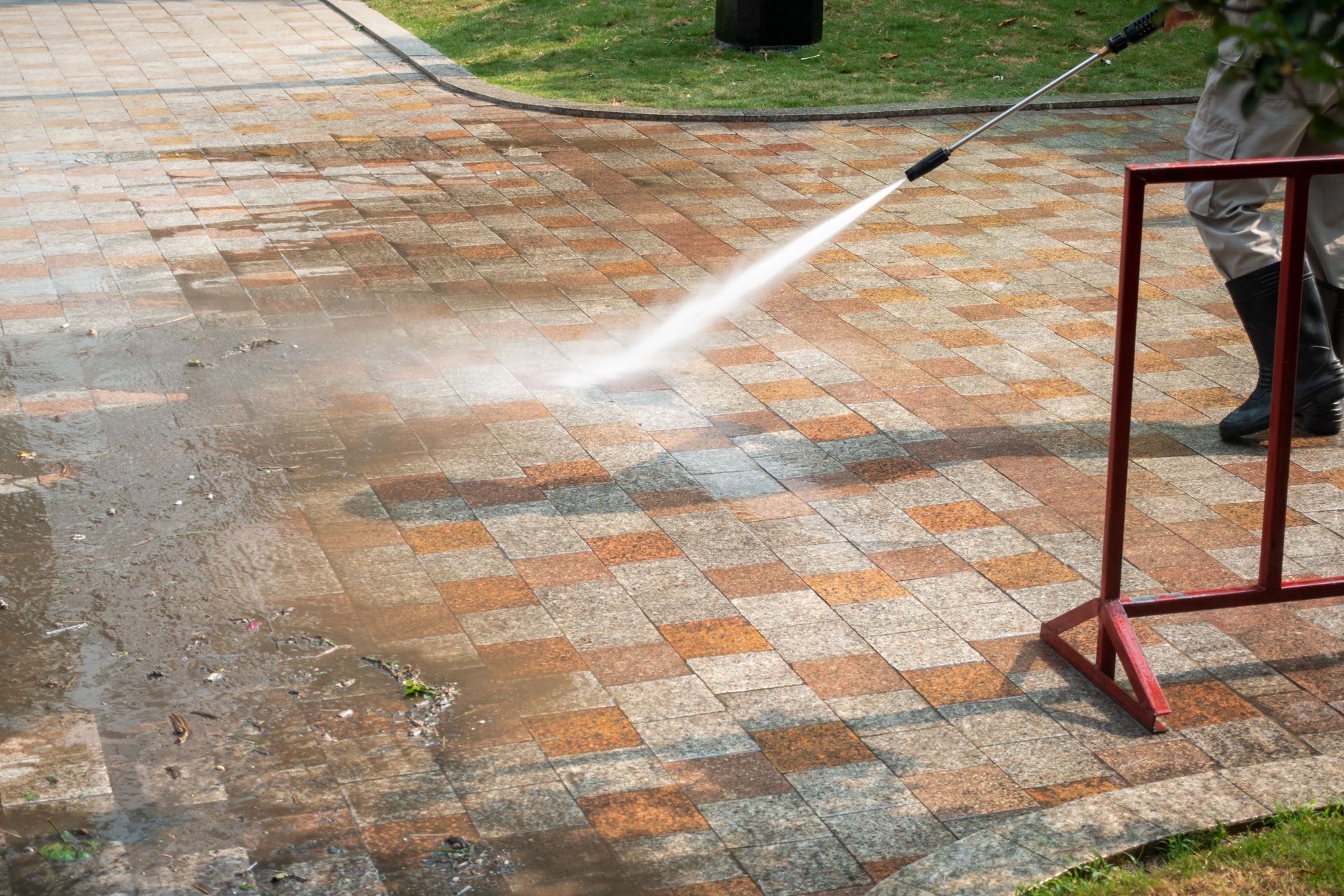
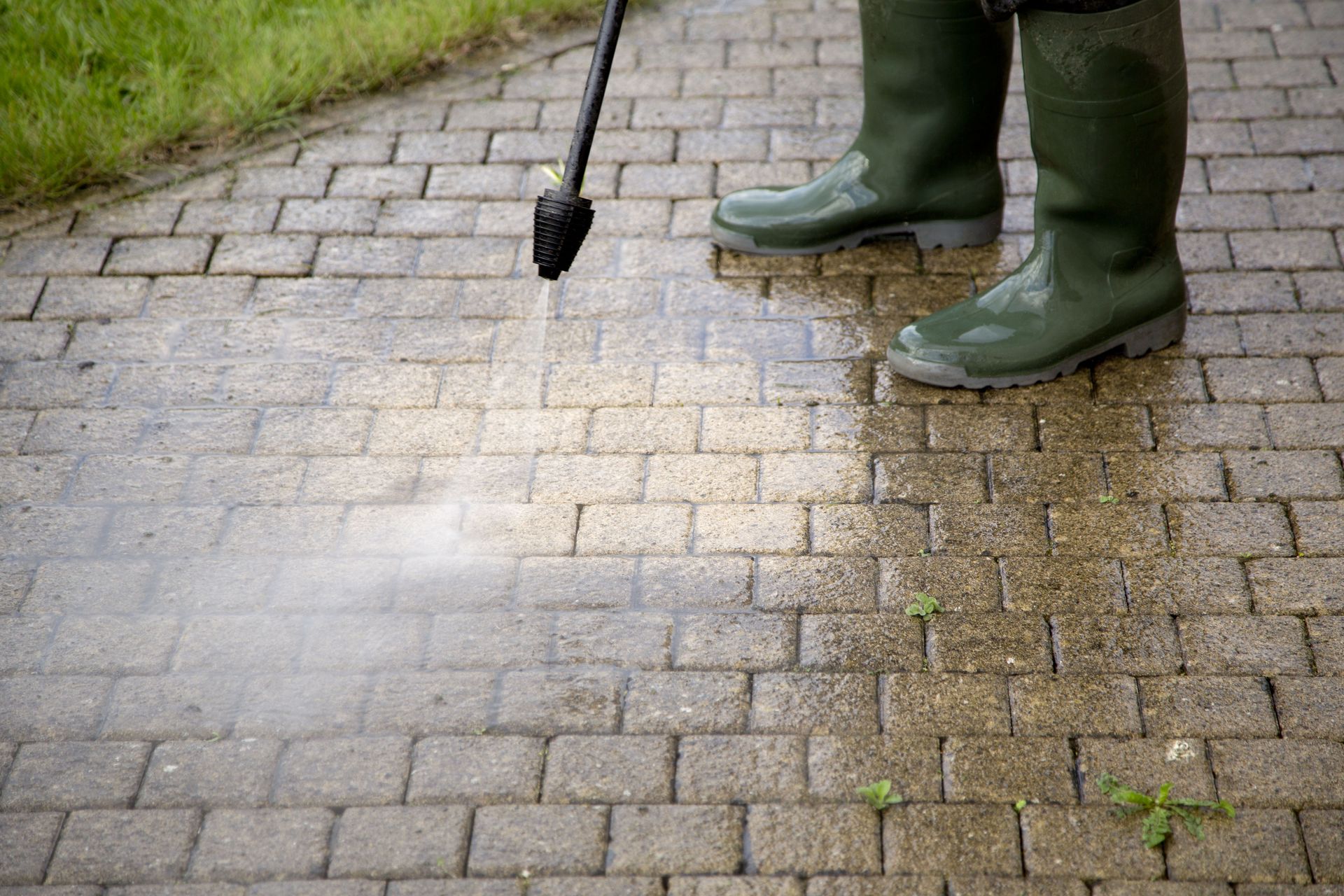
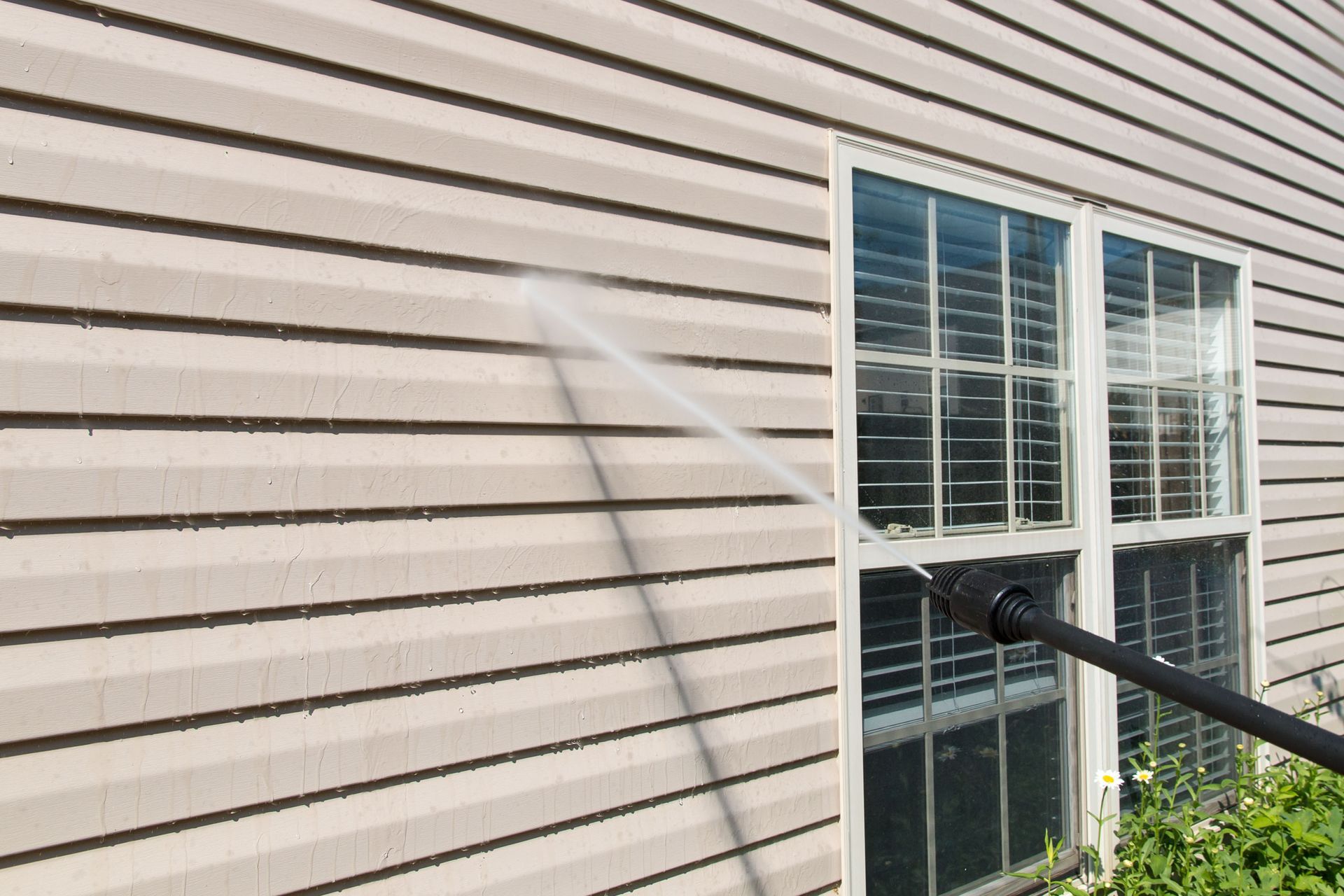
Pressure washers are used in a variety of cleaning applications, including washing vehicles, cleaning sidewalks, maintaining driveways, and restoring outdoor surfaces such as patios and decks. They are also used in commercial and industrial environments for cleaning machinery, tools, and exterior structures. Specialized attachments can assist with tasks such as graffiti removal and large surface cleaning depending on the equipment configuration. According to Energy 5, a 25-degree nozzle with a pressure of no more than 1,200 PSI is generally safe for electric car washing. These applications demonstrate how adaptable cleaning systems can be across different environments.
Smart Equipment Selection
Assess Equipment Requirements
Choosing the right cleaning system depends on intended use, frequency of operation, and required performance levels. Pressure washers vary in output, flow rate, portability, and compatibility with attachments, all of which influence selection. It is also important to consider whether the equipment will be used in residential, commercial, or industrial environments. These factors help determine the appropriate size and configuration for consistent results.
Compare Electric and Gas Models
Electric systems are typically suited for lighter cleaning tasks and are often selected for ease of use and lower maintenance needs. Gas-powered models are generally used for heavier-duty cleaning applications that require increased mobility and higher output. The choice between these systems depends on the scale and intensity of the cleaning work. Both options provide effective solutions depending on operational requirements.
Routine Equipment Maintenance
Inspect Cleaning Systems
Regular inspection helps ensure consistent performance and extends equipment lifespan. Pressure washers should be checked for hose wear, nozzle blockages, and connection integrity to maintain proper function. Routine cleaning of external components helps prevent buildup that can affect operation. Ongoing inspection supports dependable and efficient performance over time.
Store Cleaning Equipment
Proper storage helps protect systems when not in use and reduces the risk of damage. Equipment should be fully drained of water before storage to prevent internal issues. Units should be kept in a dry environment away from extreme temperatures. Hoses and accessories should be stored in a way that prevents kinks and unnecessary wear.
Replace Parts and Accessories
Over time, components such as hoses, seals, and nozzles may require replacement due to normal wear. Using compatible parts helps maintain consistent system performance and dependability. Keeping commonly used accessories available reduces downtime during operation. Timely replacement supports long-term efficiency and functionality.
Advanced Cleaning Accessories
Make Sure to Use Nozzles and Attachments
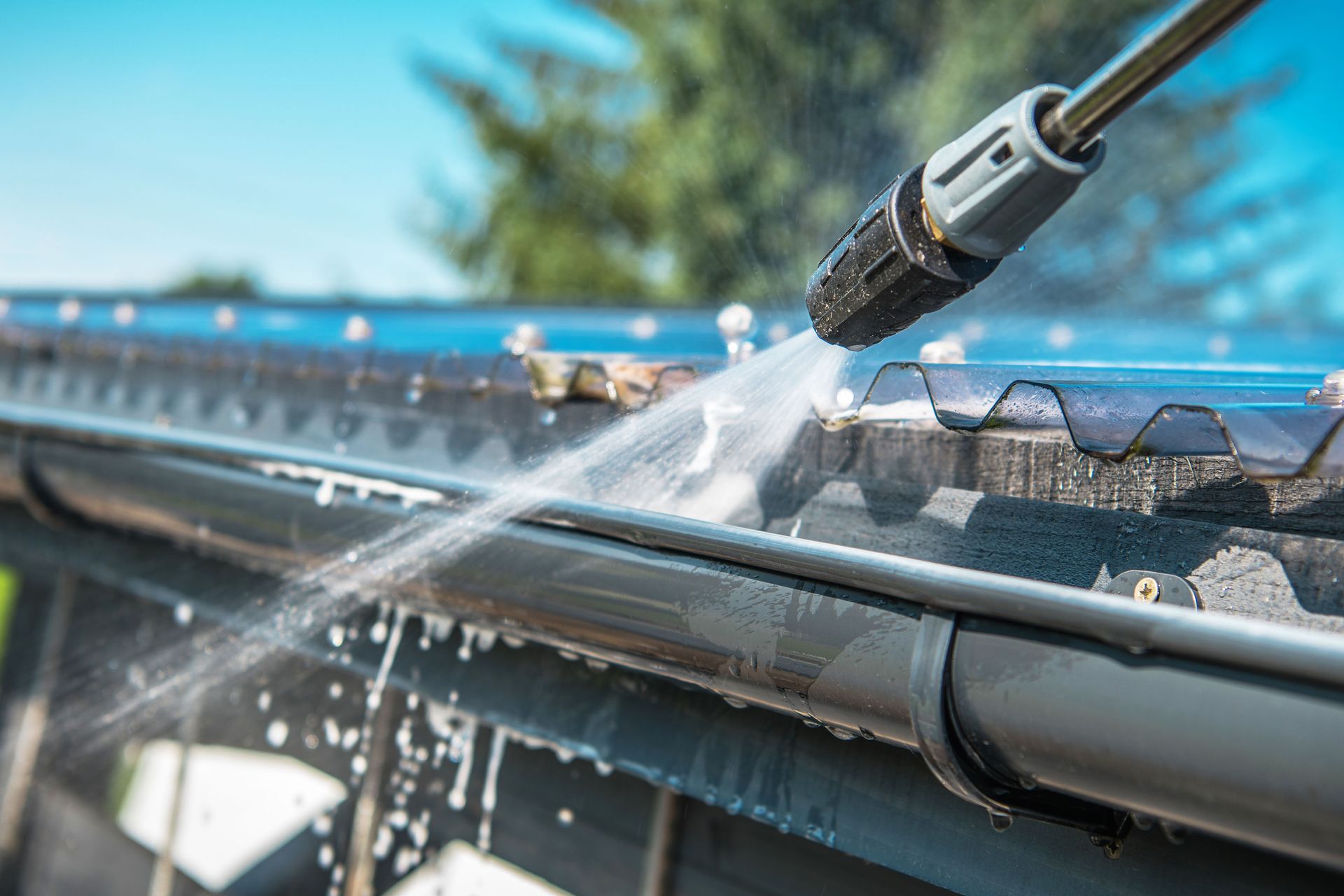
Different nozzle types allow users to adjust spray patterns and pressure levels for specific cleaning tasks. Narrow spray angles provide concentrated force for tough buildup, while wider sprays are used for general cleaning coverage. Pressure washers benefit from attachments such as rotary nozzles that improve efficiency on larger surfaces. These tools help improve consistency and overall cleaning performance.
Explain Surface Cleaner Function
Surface cleaner attachments are designed to clean flat areas more evenly than standard spray nozzles. They use rotating spray mechanisms to distribute water across surfaces such as driveways, patios, and walkways. This helps reduce streaking and improves overall cleaning coverage. These attachments are commonly used for larger surface areas where consistency is important.
Use Cleaning Solutions
Overall, cleaning solutions can be used to improve the removal of dirt and grime during operation. Many systems allow detergents to be applied through built-in tanks or external attachments. Pressure washers perform more effectively when compatible cleaning solutions are selected for specific surfaces. Proper application helps improve results without affecting equipment performance.
Advanced Equipment Features
Apply Smart Technologies
Some modern cleaning systems include digital controls and adjustable settings for improved operation. Pressure washers with advanced controls allow users to fine-tune performance based on specific tasks. These features help improve efficiency and simplify operation across different applications. They also support more consistent cleaning outcomes.
Develop Eco-Friendly Systems
Many systems are designed to improve efficiency in water and energy usage. Controlled flow systems help optimize resource consumption while maintaining effective cleaning performance. These design improvements support more efficient operation across different use cases. They also help reduce unnecessary waste during operation.
Explain Automatic Shut-Off Features
Automatic shut-off systems help reduce wear by turning off the motor when the trigger is not engaged. This feature conserves energy and reduces strain on internal components. Pressure washers with this function maintain improved efficiency during repeated use cycles. It also helps support longer equipment lifespan.
Use Noise Reduction Features
Some systems include noise reduction design elements to improve usability in residential or sensitive environments. These may include insulated housings or improved motor configurations. Reduced noise output improves comfort during extended operation. These features are especially useful in environments where sound control is important.
Pressure washers are versatile cleaning systems used across residential, commercial, and industrial environments for a wide range of surface cleaning tasks. Selecting the right equipment involves evaluating power requirements, usage needs, and available accessories to ensure optimal performance. Regular maintenance, proper storage, and the use of compatible components all contribute to long-term equipment dependability. For those seeking pressure washers, accessories, repair services, and related cleaning system support, Atomic Cleaning Systems offers solutions designed for professional and industrial applications.





Share On: